
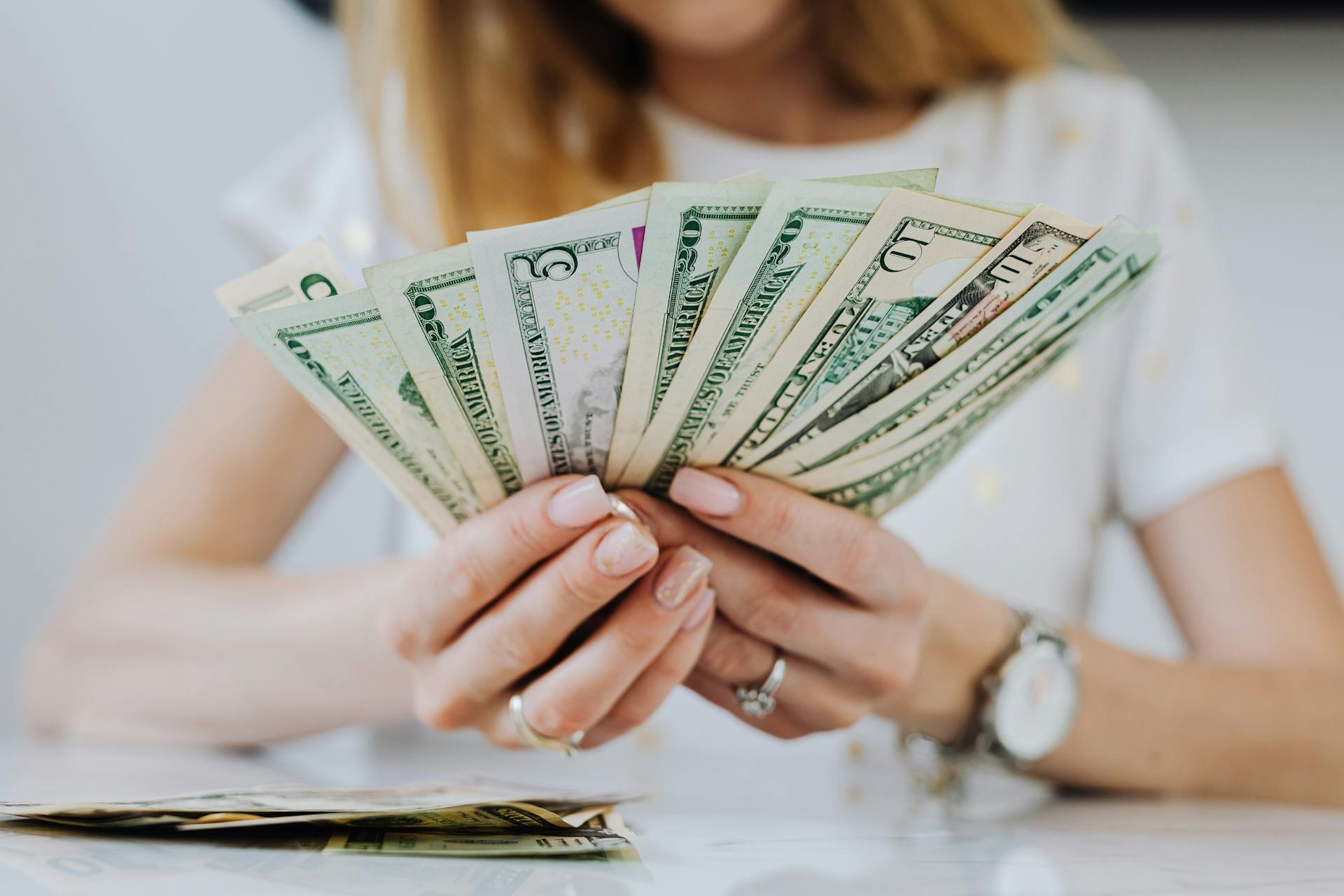
Imagine walking into a store and realizing your wallet only contains plastic cards or digital apps—no cash at all. For many, this scenario isn’t far off. With mobile payments, credit cards, and contactless technology on the rise, society is moving toward a world where physical money may become obsolete. But what happens when cash disappears entirely? Beyond convenience, the shift has implications for privacy, spending habits, financial inclusion, and even how we perceive money itself.
The Rise of Digital Payments
Digital payments have grown faster than anyone predicted. Mobile apps, QR codes, and tap-to-pay systems make transactions faster, easier, and often more secure than cash. From grocery stores to coffee shops, consumers increasingly rely on electronic methods. While this transition brings efficiency, it also creates a dependence on technology and connectivity. When cash is no longer an option, a reliable internet connection and functional devices become essential for everyday purchases.
Spending Habits Under a Cashless System
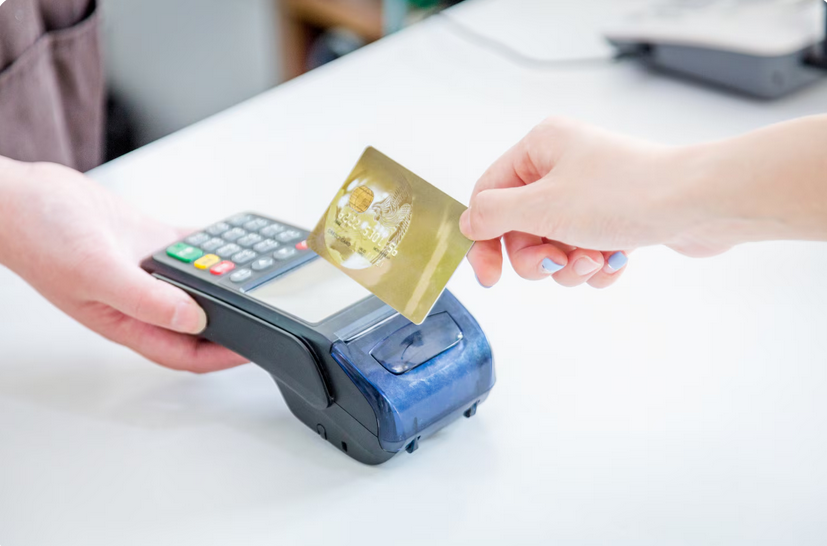
Physical money has a psychological effect on spending—handing over bills or coins can make people more conscious of their purchases. In a cashless society, that mental barrier disappears. Swiping a card or tapping a phone can make spending feel less “real,” potentially encouraging overspending. Some studies suggest that people tend to spend more when using digital payments compared to cash. The convenience comes with the risk of losing track of where your money is going.
Privacy and Surveillance Concerns
Cash transactions are anonymous, providing privacy in an increasingly monitored world. When all payments go digital, every transaction is recorded and traceable. Governments, banks, and companies can track purchases in real time, which raises questions about privacy and data security. While digital payment records can help prevent fraud, they also mean that your spending habits and location could be monitored more closely than ever before.
Financial Inclusion Challenges
Not everyone has access to digital banking or mobile payment systems. In a fully cashless world, people without smartphones, credit cards, or reliable internet could be excluded from basic financial activities. This issue is particularly relevant for the elderly, low-income populations, and residents of rural areas. Eliminating cash entirely risks widening existing inequalities and creating barriers for millions who rely on cash for daily transactions.
How Banks and Governments Benefit
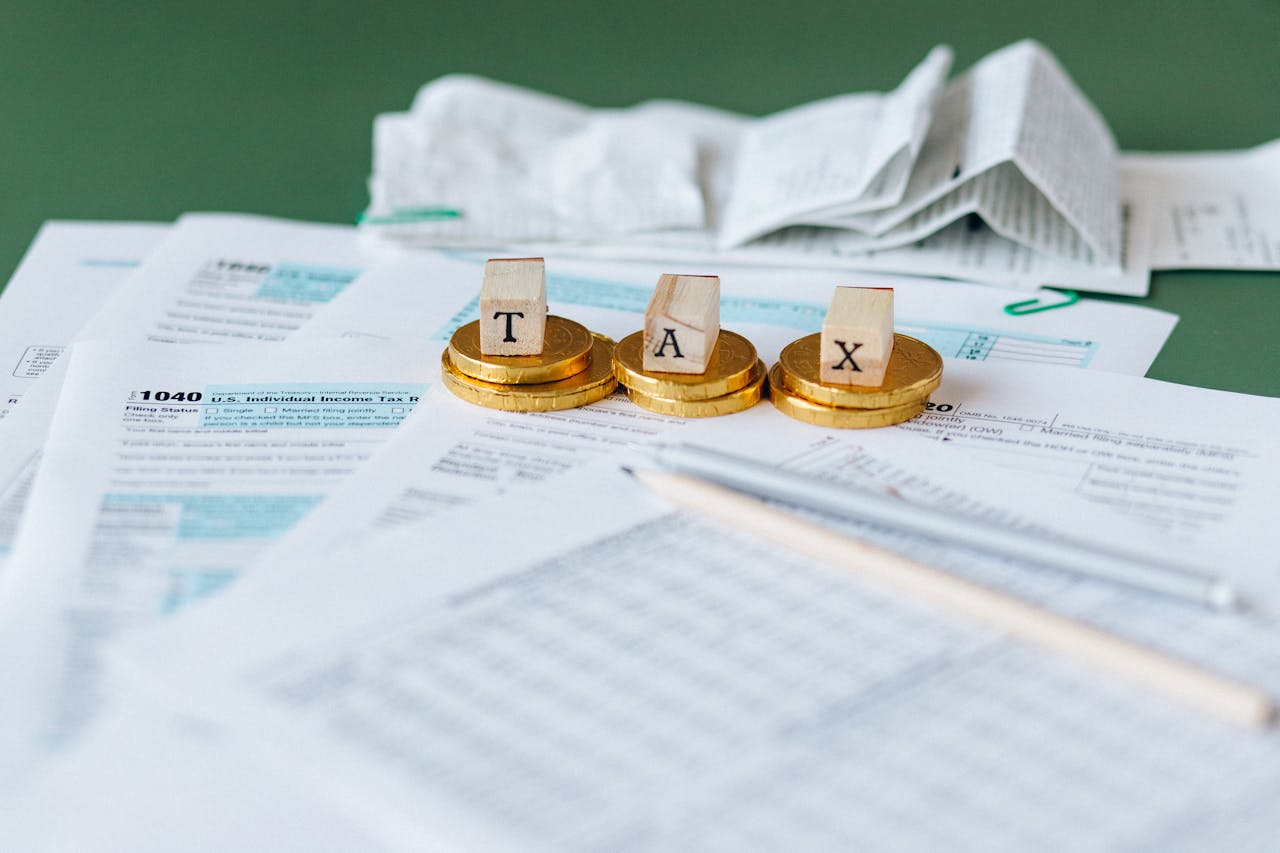
Banks and governments have strong incentives to push for a cashless society. Digital payments reduce costs associated with printing and handling money, make tax collection more efficient, and help combat illegal activities like money laundering. Governments could even implement instant stimulus payments or track economic activity with unprecedented precision. While these benefits are clear, they also concentrate financial control in the hands of institutions rather than individuals.
The Potential for System Vulnerabilities
A society that relies entirely on digital money is vulnerable to outages, hacking, or technical glitches. A simple server crash or cyberattack could temporarily paralyze the economy, making it impossible to buy essentials. Physical money serves as a backup when technology fails. Without it, society may face unprecedented risks if infrastructure isn’t fully secure and resilient.
Adapting to a Cashless Future
Transitioning to a cashless world will require education, technology, and careful planning. People will need to understand digital security, budgeting tools, and payment platforms. Policymakers will have to address privacy, accessibility, and systemic risks. While digital payments offer convenience, a cashless society demands a new level of financial literacy and awareness that most of us haven’t had to consider before.
The disappearance of physical money could change the way we spend, save, and interact with the world. From altering spending habits and eroding privacy to highlighting inequalities and increasing reliance on technology, the shift is about more than convenience—it’s a societal transformation. While cashless systems bring efficiency and innovation, they also come with new challenges that require careful consideration. Preparing for a future without cash means understanding both the opportunities and the risks, ensuring that convenience doesn’t come at the cost of control, privacy, or inclusion.

 One of the best reasons to start a business is because you will be your own boss. When you are your own boss, you have the freedom to make your own decisions and set your own hours. You can also choose to work from home, saving you money on childcare and commuting costs. Many people have quit their day jobs to start their own businesses, and they have never looked back. They find it much more fulfilling to work for themselves, and they would never go back to working for someone else.
 Finally, starting a business allows you to make a difference. You can use your business to pursue a career that you are passionate about or to help others in your community. You can also help other people by providing them with products or services that they need. Many businesses have been started to make a difference in the world, and there is no reason why yours can’t be one of them. Aside from that, you can also help them by providing a job for someone.
 When it comes to plush toys for your pup, durability is key. We all know how much dogs love to chew on things, and unfortunately, many soft toys simply don’t stand up to those sharp teeth. That’s where chew-resistant plush toys come in. These specially designed toys are made with reinforced stitching and super tough materials that can withstand even the most enthusiastic chewers. Whether your pup prefers a cute stuffed animal or a squishy ball, there are plenty of options available that will keep them entertained without falling apart after just a few play sessions.
 If your pup is all about playtime, then squeaky
 If your mother loves cooking, then a nice set of kitchen knives would be the perfect present for her. A good set of knives can make cooking much easier and more enjoyable, and it would be something that she could use every day. There are many different sets of knives available on the market, so you’ll need to research to find the best one for your mom. You can read online reviews, ask family and friends for recommendations, or even go to a store and try out some of the sets yourself.
 Most moms love wine, so why not get them a purse made of wine corks? You can find these purses on Etsy for around $30. They’re unique and eco-friendly, and your mom will think of you whenever she uses them. There are many types of cork purses to choose from, so you’re sure to find one your mom will love. If your mom is more into fashion, you could get her a designer purse.
 You can also get your mother a book about her favorite hobby or interest. If she loves to garden, get her a book on different types of roses. If she enjoys cooking, look for a cookbook with new recipes from her favorite celebrity chef. She will appreciate that you took the time to find something related to her interests. Online retailers like Amazon.com have a wide variety of books available, so you’re sure to find something perfect for your mom.