
Media Watch Forum General What Makes Jurong Lake District Attractive to Singapore Property Buyers

What Makes Jurong Lake District Attractive to Singapore Property Buyers

What Makes Jurong Lake District Attractive to Singapore Property Buyers post thumbnail image

Property buyers in Singapore are always looking for areas with strong future potential. While beautiful interiors catch attention, smart purchasers often study details such as the lucerne grand floor plan alongside neighborhood growth plans because both can influence long-term value. Jurong Lake District has become one of those locations that keeps appearing in property conversations. There is good reason for that. A home is more than four walls and a roof. The surrounding environment often shapes daily life and future resale opportunities. Jurong Lake District checks many boxes that buyers appreciate.

A Vision That Extends Beyond Today

Some neighborhoods grow slowly over time. Jurong Lake District has benefited from a clear development vision. Buyers are attracted to locations where infrastructure and amenities continue improving instead of standing still. Future-focused planning creates confidence. People like knowing that investments are supported by long-term projects rather than short-term trends.

It is similar to planting a tree in fertile soil. The environment helps it flourish. The area is often described as Singapore’s second central business district. That reputation generates excitement. Buyers see potential for stronger demand as commercial activity expands and attracts more residents.

Excellent Connectivity Makes Life Easier

Nobody enjoys spending unnecessary hours in traffic. Convenient transportation remains one of the strongest attractions for homeowners. Jurong Lake District benefits from strong connections through MRT lines and major road networks. Easy commuting matters for working professionals and families alike. Saving even thirty minutes each day adds up quickly over a year. Time, after all, is one resource nobody can replenish. Accessibility can also support future property demand. Prospective buyers often place transportation near the top of their wish lists. A well-connected location frequently remains attractive across different market cycles.

Lifestyle Amenities Continue Expanding

lake

A great neighborhood should offer more than a place to sleep. Buyers increasingly look for communities that support recreation, dining, shopping, and outdoor activities. Jurong Lake District delivers on several fronts. The waterfront environment gives the area a distinct character. Green spaces and walking paths provide breathing room from city pressures. After a long workday, that can feel like finding an oasis in the middle of a busy week. Retail and entertainment options also contribute to appeal. Having essential services and leisure facilities nearby reduces the need for constant travel.

Employment Opportunities Add Long Term Strength

Housing demand often follows jobs. Areas with growing business activity frequently attract professionals looking to live closer to work. Jurong Lake District benefits from this connection. Commercial developments create opportunities for residents and businesses alike. More workplaces can lead to stronger housing interest. It is a simple equation that many experienced buyers understand well. Employment hubs can also support rental demand. Investors pay attention to this factor because a healthy tenant pool may improve occupancy prospects.

Smart Buyers Look Beyond the Showflat

Beautiful showrooms are persuasive. Still, experienced buyers know that long-term success comes from evaluating location, growth prospects, accessibility, and functionality together. A polished presentation should never be the only factor driving a purchase. That is why many purchasers compare floor plans, future developments, transportation options, and neighborhood amenities before making commitments. The strongest property decisions usually come from balancing emotion with research.

Related Post

Tips on Choosing the Best Beer for Your Meal Like a ProTips on Choosing the Best Beer for Your Meal Like a Pro

There’s something incredibly satisfying about pairing the perfect beer with your meal. It can elevate a simple dinner to an unforgettable culinary experience. Whether you’re grilling in the backyard or dining at a fancy restaurant, knowing how to choose the right beer is essential. With countless styles and flavors available—from the crisp, slightly fruity kolsch beer taste to bold IPAs and rich stouts—it might feel overwhelming at first. But don’t worry. With a little guidance on how to match beers with food, you’ll soon be picking brews like a pro. Let’s dive into some tips that will make your next meal even more enjoyable.

Understand Beer Styles

Understanding beer styles is the first step to making a great pairing. Each style offers unique flavors and aromas that can complement or contrast with your meal. Start by familiarizing yourself with the basics. Lagers are crisp and refreshing, while ales tend to be more complex and fruitier. Stouts bring rich chocolate or coffee notes, perfect for indulgent dishes. Don’t forget about IPAs, known for their hoppy bitterness which can cut through fatty foods beautifully. Wheat beers are light and zesty, ideal for summer salads or seafood.

Consider Flavor Matching

Flavor matching is essential when pairing beer with food. Think of it as a dance between your meal and your drink. Start by identifying the dominant flavors in your dish. Is it spicy, sweet, or savory? Then choose a beer that complements those notes. For instance, hoppy IPAs can cut through rich dishes like barbecue, while malty stouts pair beautifully with chocolate desserts. Don’t shy away from contrasting flavors either; sometimes opposites attract. A crisp lager can refresh the palate after indulging in creamy pasta.

Pay Attention to Intensity

When pairing beer with food, intensity matters. A light lager can easily get lost alongside a rich steak. Conversely, a heavy stout might overpower delicate seafood. Consider the weight of your dish. Hearty meals call for robust beers that can stand up to their bold flavors. Think IPAs or porters for barbecued meats and spicy dishes. Their strong profiles complement the intensity of these foods beautifully. On the flip side, lighter fare deserves equally subtle options.

Listen to Regional Pairings

When it comes to beer and food pairings, regional traditions can offer fascinating insights. Different areas have their own brewing styles that often complement local cuisine beautifully. For example, a rich stout from Ireland pairs wonderfully with hearty Irish stew. The creamy texture of the stout enhances the flavors in the dish while adding depth to your meal experience. In Belgium, you’ll find that fruity lambics work wonders with fresh seafood dishes. The tartness cuts through richness and brings out delicate flavors. Exploring regional pairings not only enriches your palate but also connects you to different cultures.

Experiment with Seasonal Ingredients

Seasonal ingredients can transform your meals and enhance your beer pairings. When you choose fresh, in-season produce, the flavors are vibrant and more pronounced. Think about a summer salad bursting with ripe tomatoes and cucumbers. Pair it with a crisp pilsner to complement those bright notes. The clean finish of the beer will elevate each bite. As autumn rolls around, hearty dishes like pumpkin soup or roasted root vegetables shine. A rich amber ale works beautifully here, bringing warmth and depth to every spoonful. Choosing the right beer to enhance your meal can elevate your dining experience. By understanding various beer styles, you can find the perfect match for different dishes.

Flavor matching is crucial, as it helps bring out the best in both food and drink. Embrace these tips as a guide on your journey through flavor exploration. The world of beer pairing is rich and diverse; enjoy every moment of discovering what works best for you.

cash

Cashless and Clueless: What Happens When Physical Money Disappears?Cashless and Clueless: What Happens When Physical Money Disappears?

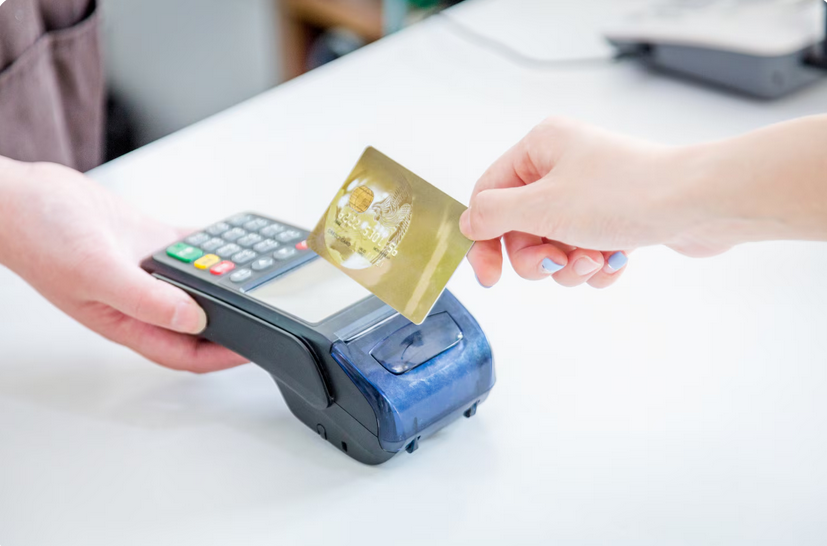
Imagine walking into a store and realizing your wallet only contains plastic cards or digital apps—no cash at all. For many, this scenario isn’t far off. With mobile payments, credit cards, and contactless technology on the rise, society is moving toward a world where physical money may become obsolete. But what happens when cash disappears entirely? Beyond convenience, the shift has implications for privacy, spending habits, financial inclusion, and even how we perceive money itself.

The Rise of Digital Payments

Digital payments have grown faster than anyone predicted. Mobile apps, QR codes, and tap-to-pay systems make transactions faster, easier, and often more secure than cash. From grocery stores to coffee shops, consumers increasingly rely on electronic methods. While this transition brings efficiency, it also creates a dependence on technology and connectivity. When cash is no longer an option, a reliable internet connection and functional devices become essential for everyday purchases.

Spending Habits Under a Cashless System

tapping

Physical money has a psychological effect on spending—handing over bills or coins can make people more conscious of their purchases. In a cashless society, that mental barrier disappears. Swiping a card or tapping a phone can make spending feel less “real,” potentially encouraging overspending. Some studies suggest that people tend to spend more when using digital payments compared to cash. The convenience comes with the risk of losing track of where your money is going.

Privacy and Surveillance Concerns

Cash transactions are anonymous, providing privacy in an increasingly monitored world. When all payments go digital, every transaction is recorded and traceable. Governments, banks, and companies can track purchases in real time, which raises questions about privacy and data security. While digital payment records can help prevent fraud, they also mean that your spending habits and location could be monitored more closely than ever before.

Financial Inclusion Challenges

Not everyone has access to digital banking or mobile payment systems. In a fully cashless world, people without smartphones, credit cards, or reliable internet could be excluded from basic financial activities. This issue is particularly relevant for the elderly, low-income populations, and residents of rural areas. Eliminating cash entirely risks widening existing inequalities and creating barriers for millions who rely on cash for daily transactions.

How Banks and Governments Benefit

tax

Banks and governments have strong incentives to push for a cashless society. Digital payments reduce costs associated with printing and handling money, make tax collection more efficient, and help combat illegal activities like money laundering. Governments could even implement instant stimulus payments or track economic activity with unprecedented precision. While these benefits are clear, they also concentrate financial control in the hands of institutions rather than individuals.

The Potential for System Vulnerabilities

A society that relies entirely on digital money is vulnerable to outages, hacking, or technical glitches. A simple server crash or cyberattack could temporarily paralyze the economy, making it impossible to buy essentials. Physical money serves as a backup when technology fails. Without it, society may face unprecedented risks if infrastructure isn’t fully secure and resilient.

Adapting to a Cashless Future

Transitioning to a cashless world will require education, technology, and careful planning. People will need to understand digital security, budgeting tools, and payment platforms. Policymakers will have to address privacy, accessibility, and systemic risks. While digital payments offer convenience, a cashless society demands a new level of financial literacy and awareness that most of us haven’t had to consider before.

The disappearance of physical money could change the way we spend, save, and interact with the world. From altering spending habits and eroding privacy to highlighting inequalities and increasing reliance on technology, the shift is about more than convenience—it’s a societal transformation. While cashless systems bring efficiency and innovation, they also come with new challenges that require careful consideration. Preparing for a future without cash means understanding both the opportunities and the risks, ensuring that convenience doesn’t come at the cost of control, privacy, or inclusion.

dog

Dog Parent Guide: Safe and Entertaining Toys for Your PupDog Parent Guide: Safe and Entertaining Toys for Your Pup

Raise your hand if you’re a proud pup parent. You definitely know just how much joy and happiness your furry friend brings into your life. And what better way to repay them than by providing safe and entertaining toys that will keep them occupied and entertained for hours on end? Today, we’ll show you some of the best options out there when it comes to choosing toys for your pup. From chew-resistant plush toys to interactive puzzle feeders, we’ve got you covered with top-notch recommendations that are sure to make tails wag.

Durable Rubber Chew Toys

Are you tired of seeing your dogs chewing their Dog Bandanas & Collars? Well, if that’s the case, then rubber chew toys are a must-have for any pup who loves to gnaw and chew. These toys are designed to withstand even the most aggressive chewing, so you don’t have to worry about them falling apart in your dog’s mouth. One of the best things about rubber chew toys is that they provide hours of entertainment and mental stimulation for your furry friend. The textured surface helps clean their teeth while satisfying their natural urge to chew. Plus, the flexibility of these toys makes them perfect for interactive play, like fetch or tug-of-war.

Chew-Resistant Plush Toys

dog When it comes to plush toys for your pup, durability is key. We all know how much dogs love to chew on things, and unfortunately, many soft toys simply don’t stand up to those sharp teeth. That’s where chew-resistant plush toys come in. These specially designed toys are made with reinforced stitching and super tough materials that can withstand even the most enthusiastic chewers. Whether your pup prefers a cute stuffed animal or a squishy ball, there are plenty of options available that will keep them entertained without falling apart after just a few play sessions.

Interactive Puzzle Feeders

Basically, these toys challenge your dog’s problem-solving skills and provide them with a tasty reward. The best one in the market is the Kong Classic Dog Toy which lets you to stuff it with treats or peanut butter. Your pup will have to figure out how to get the goodies out by rolling, tossing, or licking the toy. Another interactive puzzle feeder is the Outward Hound Nina Ottosson Dog Smart Puzzle Toy. This game features sliding compartments that hide treats underneath. Your furry friend will have to move pieces around using their paws or noses in order to access the delicious rewards.

Squeaky Toys for Playful Fun

playing If your pup is all about playtime, then squeaky toys are a must-have in their toy collection. These toys not only provide entertainment but also engage their instincts. The high-pitched squeaking sound mimics the prey-like noises that dogs love to chase and catch. In fact, did you know that squeaky toys help keep your pup mentally stimulated by enticing them with an interactive noise-making experience? They encourage movement as dogs chase after the source of the intriguing sound. Additionally, playing with squeaky toys can help relieve anxiety and stress in dogs by providing an outlet for pent-up energy.

Providing safe and entertaining toys is essential in keeping our pups happy and engaged. So go ahead and spoil them with some new additions to their toy collection – make sure they’re built tough enough to stand up against those wagging tails.